
Engineering-led, scoped to the workflow
AI agents and custom software, engineered around real work
Some problems need dependable software with clear rules. Others need systems that interpret information, work across tools and prepare the next action. We build custom applications, AI agents and connected workflows around the task, the people responsible for it and the systems you already run.
- 80+ in-house engineers
- Building since 2010
- You own the code, the data and the agents

Four specialist services
Find the engineering service that fits your next step
Choose the one closest to the problem. We can assess neighboring needs together in discovery.
01 / Agents
AI agent development and workflow automation
Recurring work across several systems.
Agents with defined tools, permissions, visible actions and review points: data analysis, operations triage, research and approved support workflows.
Explore agent development02 / Products
Custom SaaS and product engineering
A new product, or one that has to grow.
The application, data model, integrations, permissions and release process engineered together, including operational platforms built around your own processes and modernizing software you already run.
Explore custom SaaS03 / Knowledge
AI knowledge and document workflows
Answers from your own documents.
Retrieval, extraction and reviewed document workflows over policies, contracts, manuals and records, respecting source quality and access permissions.
Explore document workflows04 / Copilots
AI features and product copilots
AI inside software that already works.
Explanations, drafting, search, recommendations and reviewable actions inside the product people already use, without a rebuild.
Explore AI copilots
Engineering approach
Not every workflow needs an AI agent
Ordinary software is often the best choice when the rules are stable and outcomes must be predictable. A focused AI feature can help someone understand or draft information. An agent earns its place when a task has to choose among approved steps, use several tools or handle changing circumstances.
Take an operations assistant that looks at an exception, retrieves the order and courier details it is allowed to see, prepares a response and asks an employee to approve the next step. The final update still runs through ordinary validation and permissions.

Who we build for
Built for the work no off-the-shelf product fits
Our clients rarely come to us for "an app". They come because the tools on the market don't fit how they work, or can't be trusted with their data.
Workflows no product fits
Compliance for early childhood education (Quliance), cross-border logistics (Crossborderly), herbal practice inventory and formulas (DispensaryTree), equine stable management (Keith Harte).
Data that shouldn't sit on someone else's platform
Health, compliance and client records stay in systems you control.
Software that now needs agents
We add AI agents to the CRM, portal or platform you already run, without rebuilding it.
An idea that needs to become a product
We take SaaS ideas from first version to in-market, as we did with our own products.
How we build with AI
AI-assisted development. Engineer-led accountability.
AI coding tools make the first layer of software quick to start. Depth is where projects lose control: permissions, edge cases, integrations, reporting and failure handling. We map the whole system before building any part of it, go deep one branch at a time and keep the map current as decisions are made.
The work runs through WDT (Webgarh Delivery Tracker), our in-house engineering and delivery system, which brings AI-assisted specification and implementation into one process. People stay responsible for the requirement, the architecture, reviewing generated code, checking agent behavior and approving releases. Scope, complexity, integration risk and acceptance criteria set the plan; we don't promise a speed-up we haven't measured.
Guardrails
Guardrails we don't relax
Client code and data are never used to train AI models.
Every change is reviewed by an engineer before it's merged.
Security-sensitive code (authentication, payments, personal data) gets a second review.
You own all code, maps and documentation.
Still running
Software we've built, still running
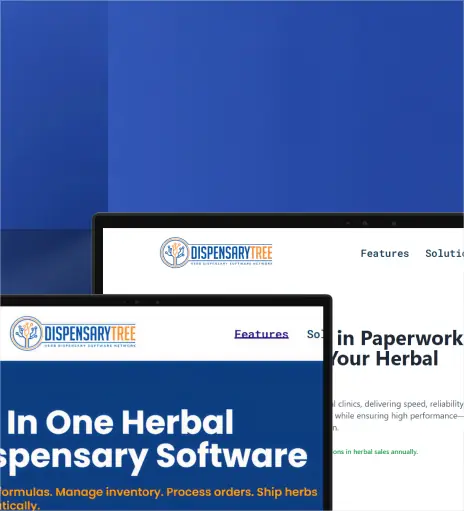
DispensaryTree
Herbal inventory and formula SaaS, built and grown together over years. 300+ practitioners registered worldwide.
Read the case study
Crossborderly
Shopify-integrated cross-border logistics platform. Merchants selling to 150+ countries.
Read the case study
United States Flag Store
BigCommerce to Shopify Plus, B2B and fraud controls
Read the case study
Client experiences
Hear it from them
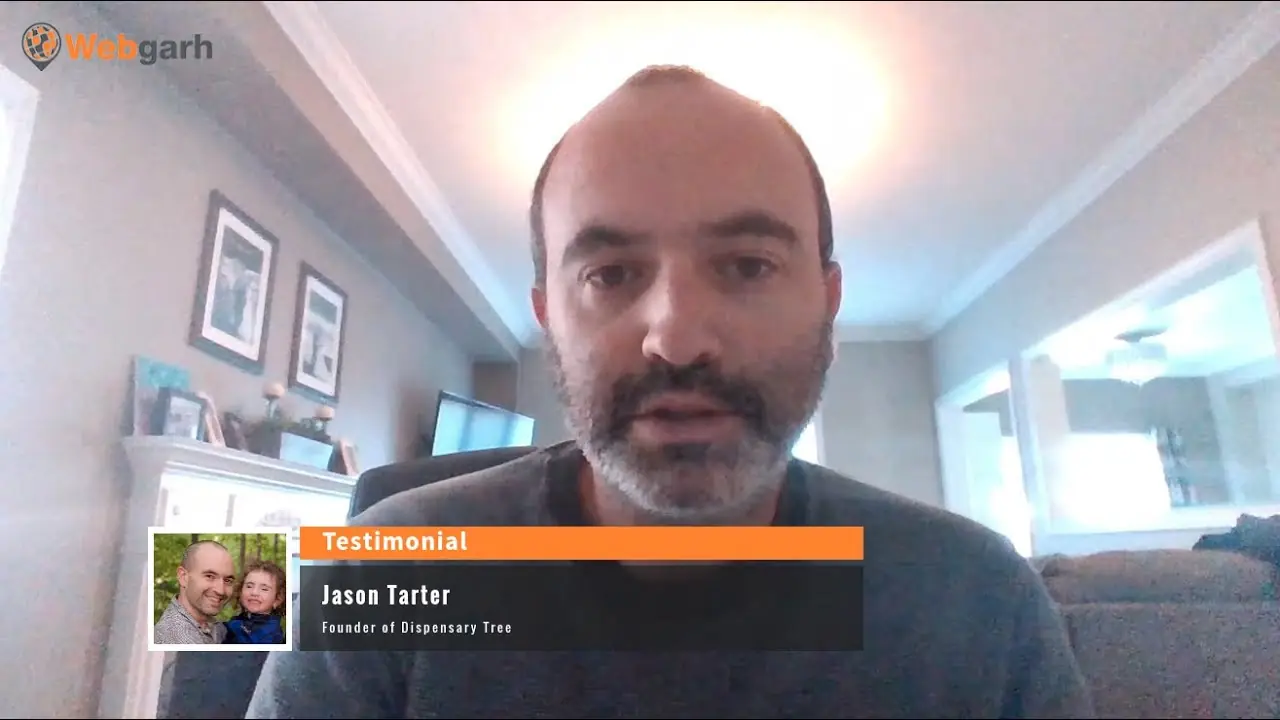
"Whenever I've had a problem, their focus has been on solving the problem."
"Here's what I need to do now. Make it work. They do it."
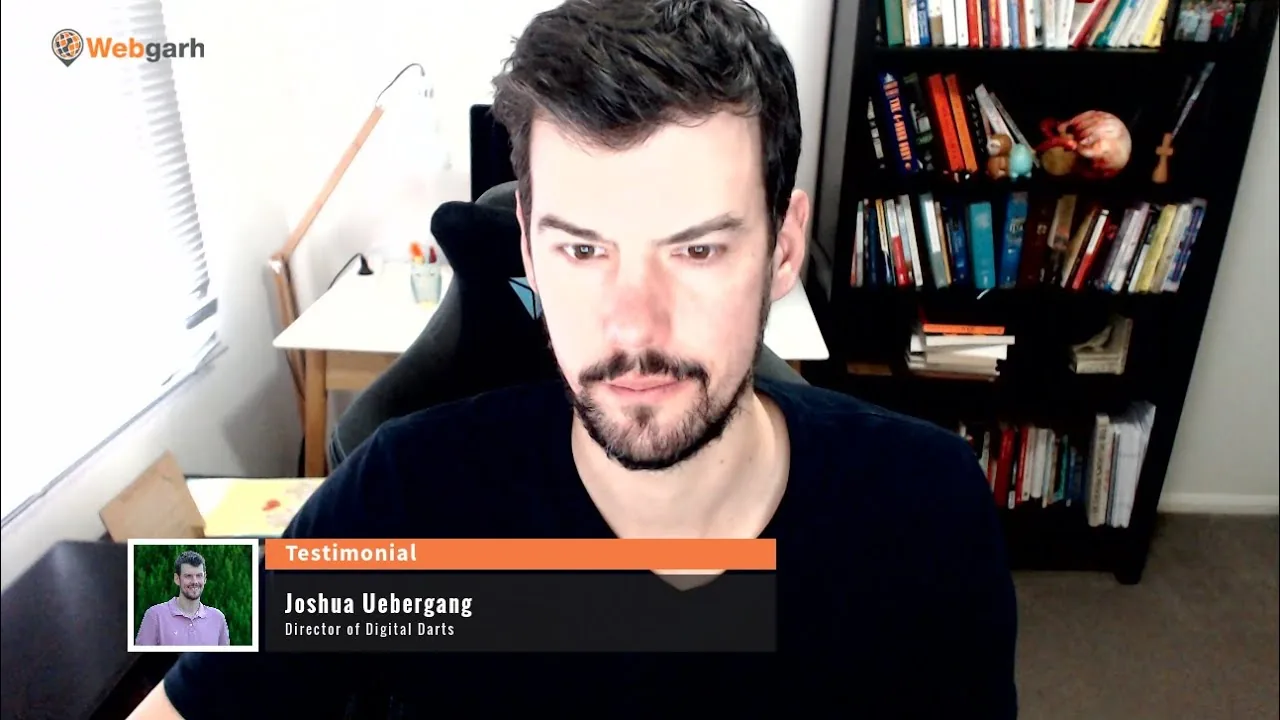
Working with Webgarh on Shopify app development has been a great experience from start to finish. Their planning, development process, and ongoing iterations have been extremely professional and reliable.
"I could not have run this business... without them by my side."
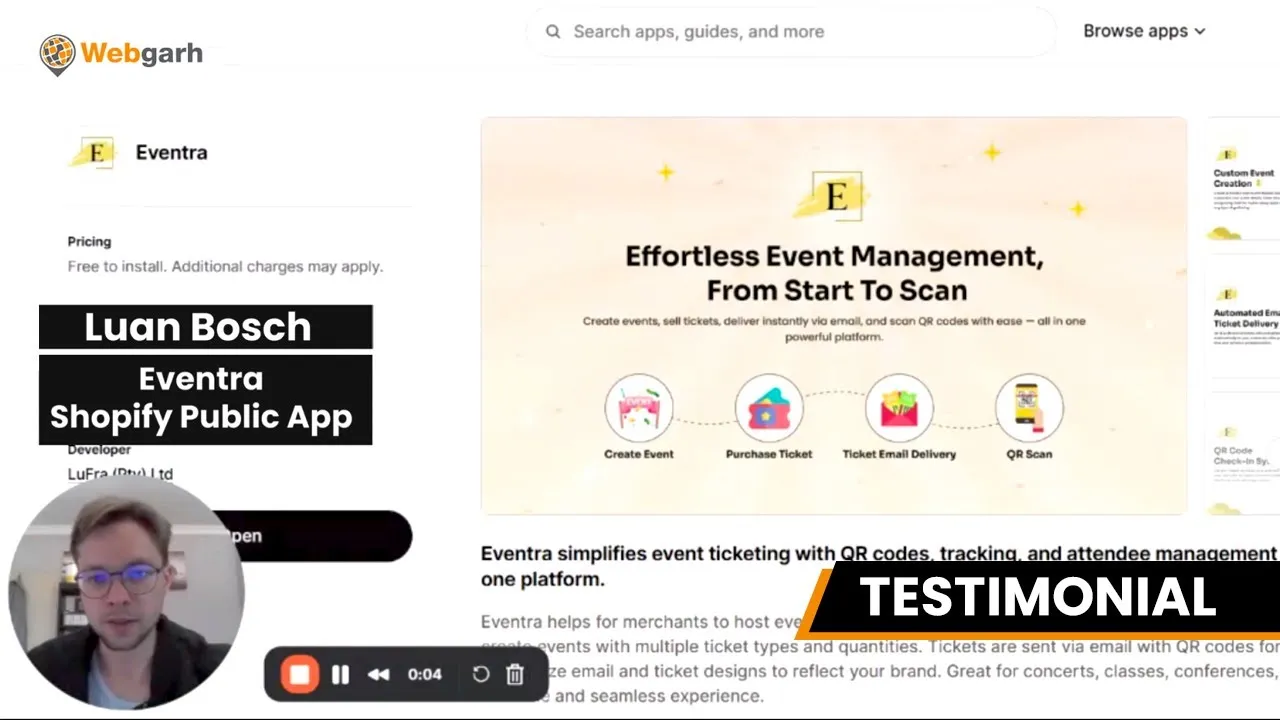
Webgarh Solutions built a custom Shopify event-ticketing app for us, enabling online ticket purchases with automatic QR code emails and gate scanning.
Ways to start
Fixed-scope first steps
Each one ends with something you can use, and a clear price for what comes next.
Discovery & blueprint
A short paid phase: workflows mapped, architecture decided and a fixed price agreed before building.
See Discovery & blueprintMVP sprint
A working first version with real users, at a fixed scope and price, built to grow.
See the MVP sprintYour first AI agent
One job, one agent, on your data and owned by you.
See your first AI agent
Engineering specialisms
Specialist teams, and our other practices
Products by Webgarh
We build our own products too
Each started as a problem we kept seeing. Building and running our own SaaS is why we build yours like owners would.
Frequently asked questions
What is an AI agent, in plain language?
Software that can interpret an objective, choose from approved tools or steps and work through a defined task, within permissions and policy limits, with a person reviewing where the action warrants it.
How is an agent different from ordinary automation?
Ordinary automation follows fixed rules and paths. An agent can interpret changing information and choose among permitted steps. Many dependable systems use both: the agent helps with judgment, and ordinary software validates and carries out sensitive operations.
Do you only build for ecommerce businesses?
No. Many clients are in commerce, but we also build compliance, health, logistics and operations software.
Who owns the code?
You do: the code, the data and the agents.
Which AI models do you use?
We build model-agnostic, so the model can change if pricing, policy or quality changes. Today we work with leading commercial models, with private-cloud and own-server options scoped per project. A change of model is still tested against the workflow before it goes live.
Can you take over an existing codebase, including one built with AI tools?
Yes. We start with a code and architecture review, map what exists, then fix it branch by branch.
Do you build software with AI, and who checks the code?
Yes. AI tools write some of our code; engineers decide the design, review every change before it is merged, and security-sensitive code gets a second review. The risk with AI coding is losing track of the whole system, which is what mapping first is for.
How do you set the cost and timeline?
From the use case, systems, data access, integrations, review needs and acceptance criteria. That decides whether a focused pilot, a fixed-scope build or a staged engagement fits. We don't publish a universal project price; get in touch for a quote.
Tell us what off-the-shelf can't do for you
Describe the workflow, the data and what you've tried. You'll hear back within 24 hours.