
From first release to modernization
Custom SaaS and product engineering for software built to last
A product needs more than working screens. People must sign up, see the right information, finish their work and rely on the software as customers, features and integrations grow. We plan, build, extend and modernize SaaS products and operational platforms, and we run our own SaaS products, so we plan for billing, support and updates from the first release.
- 250+ stores on GTM Assistant, our own SaaS
- You own the code
- 80+ engineers since 2010

Where we help
Launch, extend or replace
Launch a SaaS product
Turn a concept into a defined first release: user journeys, account structures, permissions, data model, essential integrations and release priorities, so everyone knows what must work before more features arrive.
Extend or modernize an existing product
We map what the current system does, including the rules nobody wrote down, and give you that map. Then we rebuild in parts, starting with the part that hurts most, running old and new side by side where needed. Moving a store? See store migration.
Build an operational platform
When a business runs on spreadsheets, disconnected tools or manual handovers, a tailored platform can make the critical workflow easier to control, see and maintain, without copying every spreadsheet.
Behind the interface
What makes a SaaS product ready for real customers?
What happens behind the screens decides whether customers can be onboarded safely, accounts stay separate and the business can run the service over time.
Accounts, organizations and permissions
How users join, which organization or tenant they belong to, what each role can see and how admins manage membership. Isolation between customers on shared infrastructure is designed and tested, never assumed from a tenant ID.
Subscriptions, usage and commercial controls
Subscription states, entitlements, billing events, renewals and usage rules planned for your business model, reconciled with the systems that own those records.
Integrations that stay dependable
Payment services, CRMs, ERPs, logistics platforms and partner APIs with failure handling, retries, webhooks, reconciliation and support visibility, so integrations survive changes on the other side.
Release quality and visibility
Logs, monitoring, tests, backup and recovery, controlled releases and incident responsibilities, settled before the first serious disruption, not after.
Our process
From early release to continued engineering
An MVP tests the smallest meaningful version of a product, without leaving out the controls that make customer use safe. Every release runs through WDT (Webgarh Delivery Tracker), our in-house engineering and delivery system, with engineer-led architecture, review and testing.
Understand the product and buyers
The buyer, the everyday user, the core jobs, the business model and the systems it depends on.
Define a realistic first release
Journeys, data ownership, permissions, integrations and acceptance criteria, with what is out of scope written down.
Build and check the foundations
Reviewed increments, with high-risk paths, tenancy, billing states and third-party failures tested.
Release with ownership
Deployment, monitoring, documentation, support responsibilities and a rollback plan.
Improve against real usage
Customer feedback, support patterns and product metrics decide the next release, not feature count.
Operational software
Software built around how you operate
Some projects start as internal applications: logistics workflows, transaction systems, scheduling platforms or learning environments. Others are commercial products with many customers. We help decide which architecture and delivery model fits the real operating need.
Store builds and deep Shopify integrations belong to our Commerce Systems practice. This service covers the application or platform itself, and the logic and operations behind it.

AI in the roadmap
How AI fits into a product roadmap
AI can help inside a product: finding information, drafting, analyzing records a user may see or completing a reviewed workflow. Calculations, access decisions and transactions are usually better built on fixed rules. We did this for Quliance, adding an agent inside its existing compliance software.
When AI fits, model choice, permission boundaries, evaluation, cost and fallback behavior are product requirements. AI features and copilots and agent development have their own scope, and a rebuilt system is structured so agents can use its data and APIs later.
How we use AI to build
We map the whole system first and build each part in depth. Engineers review every change, and security-sensitive code gets a second review.
How we build softwareStill running
Products and rebuilds we have shipped

300+
practitioners registered worldwide
DispensaryTree
Herbal practice SaaS, built and grown together
Read the case study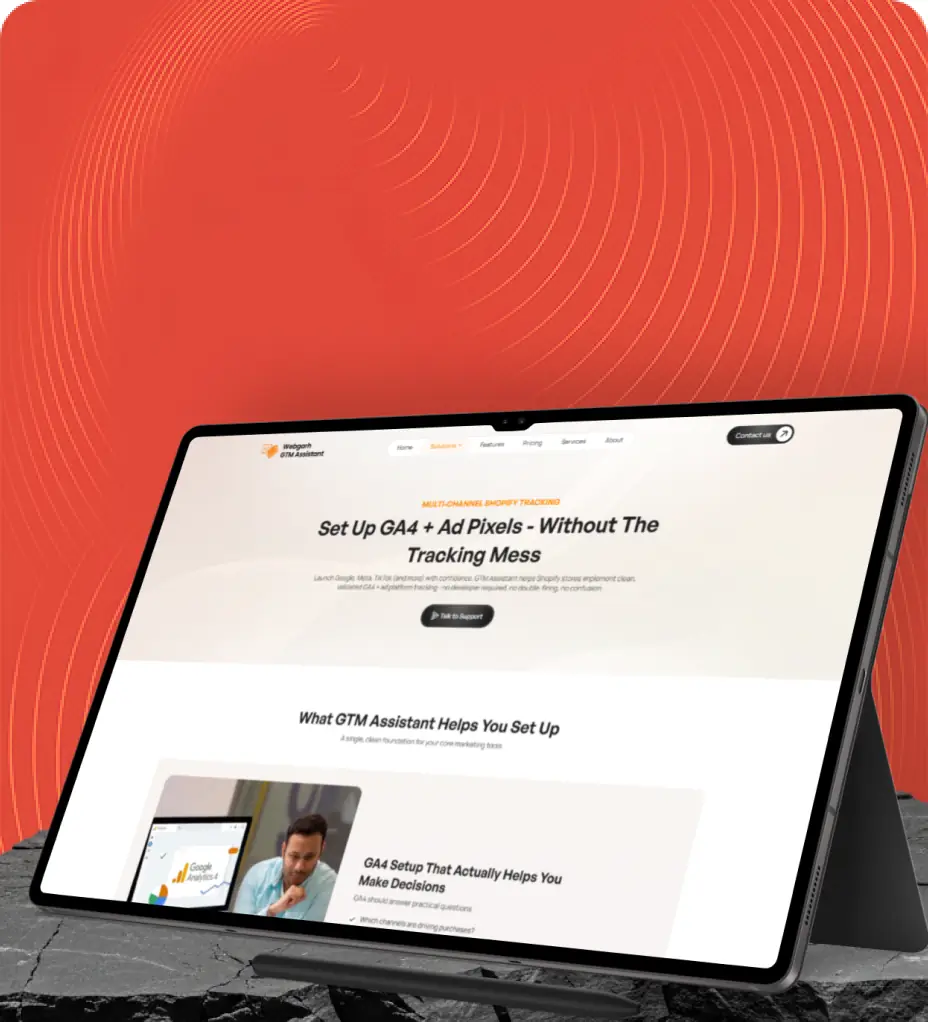
250+
Shopify stores running our tracking app
GTM Assistant
Our own server-side tracking app
Read the case study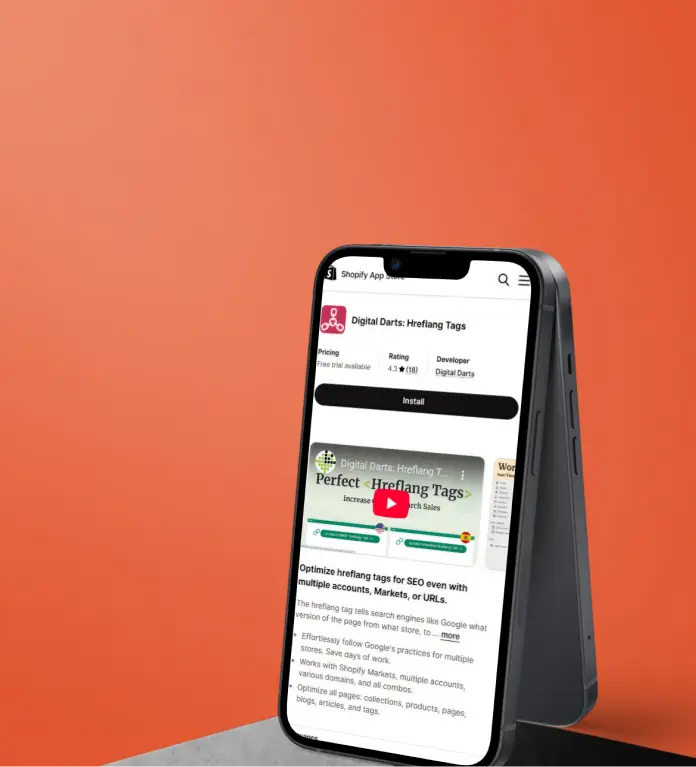
2,000+
Shopify stores running Hreflang
Digital Darts
Hreflang, a public Shopify app we built for Digital Darts
Read the case study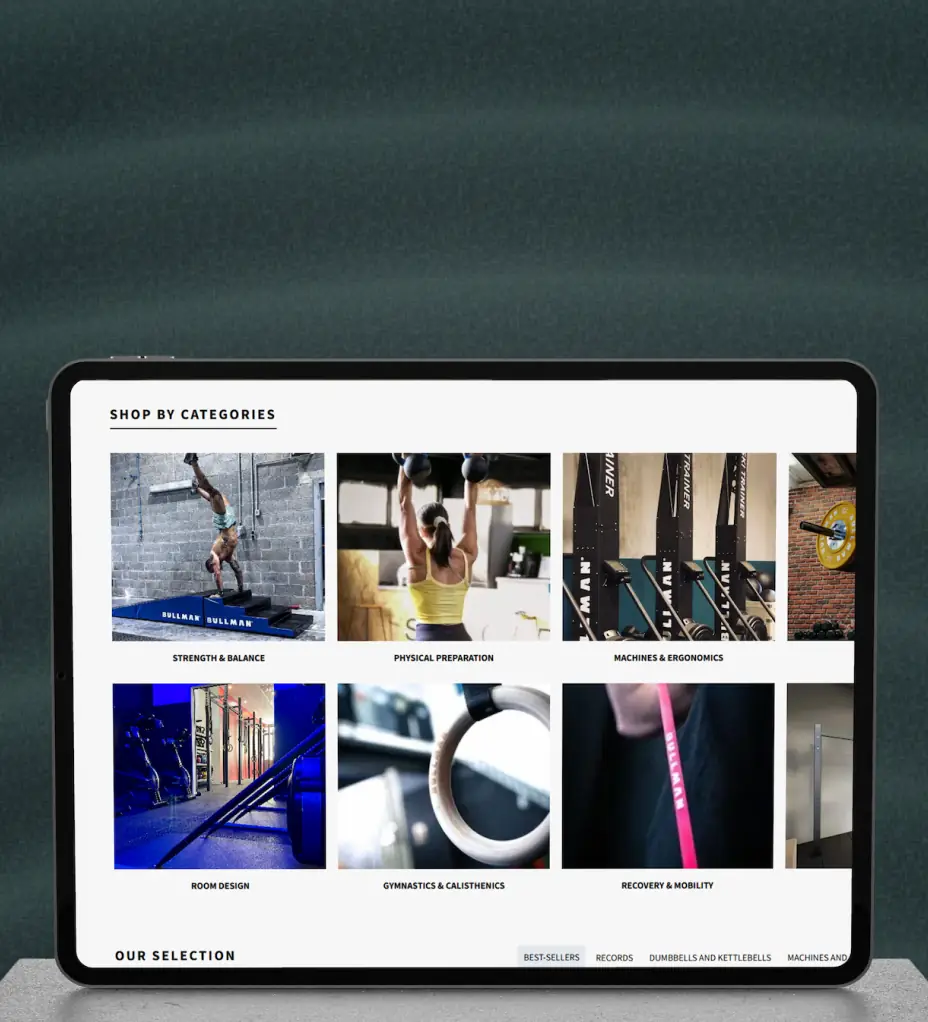
3x
business scale after launch
Bullman Equipment
Headless rebuild on Next.js with Odoo ERP
Read the case study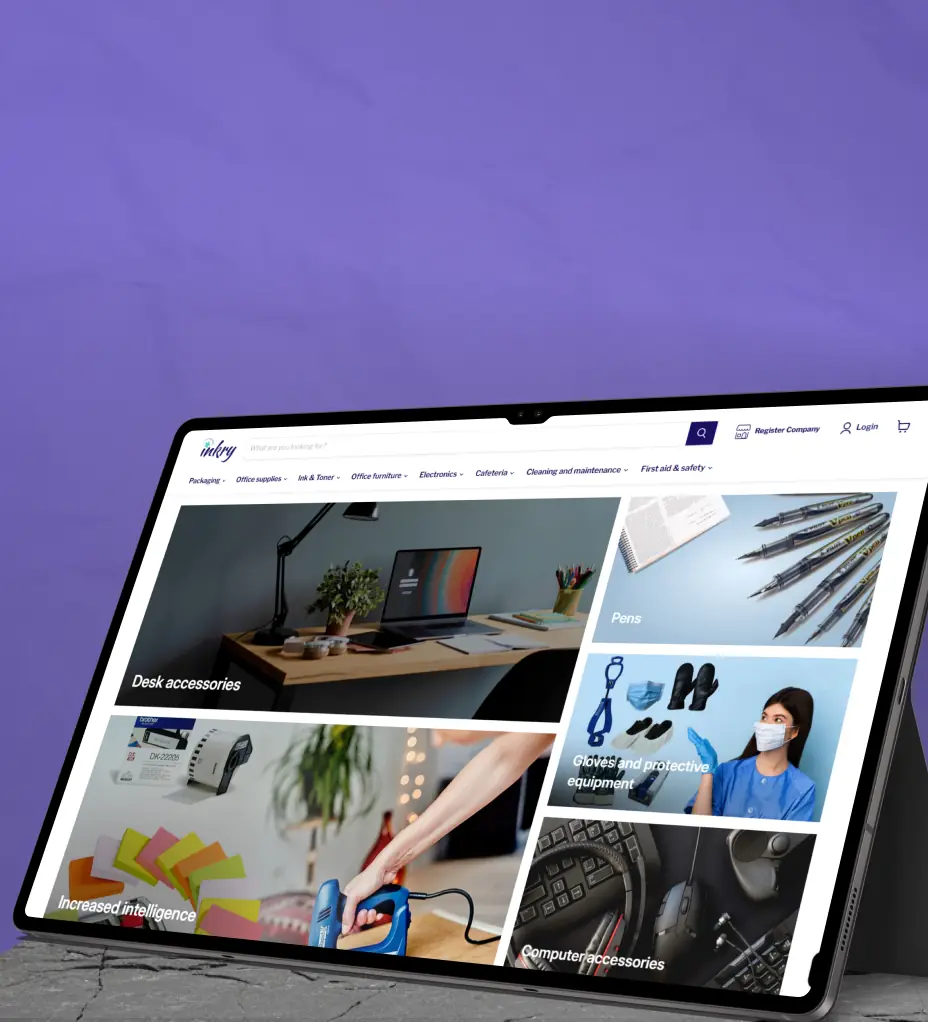
90%
less manual processing
Inkry
Supplier sync and order flow automated between Shopify and supplier systems
Read the case study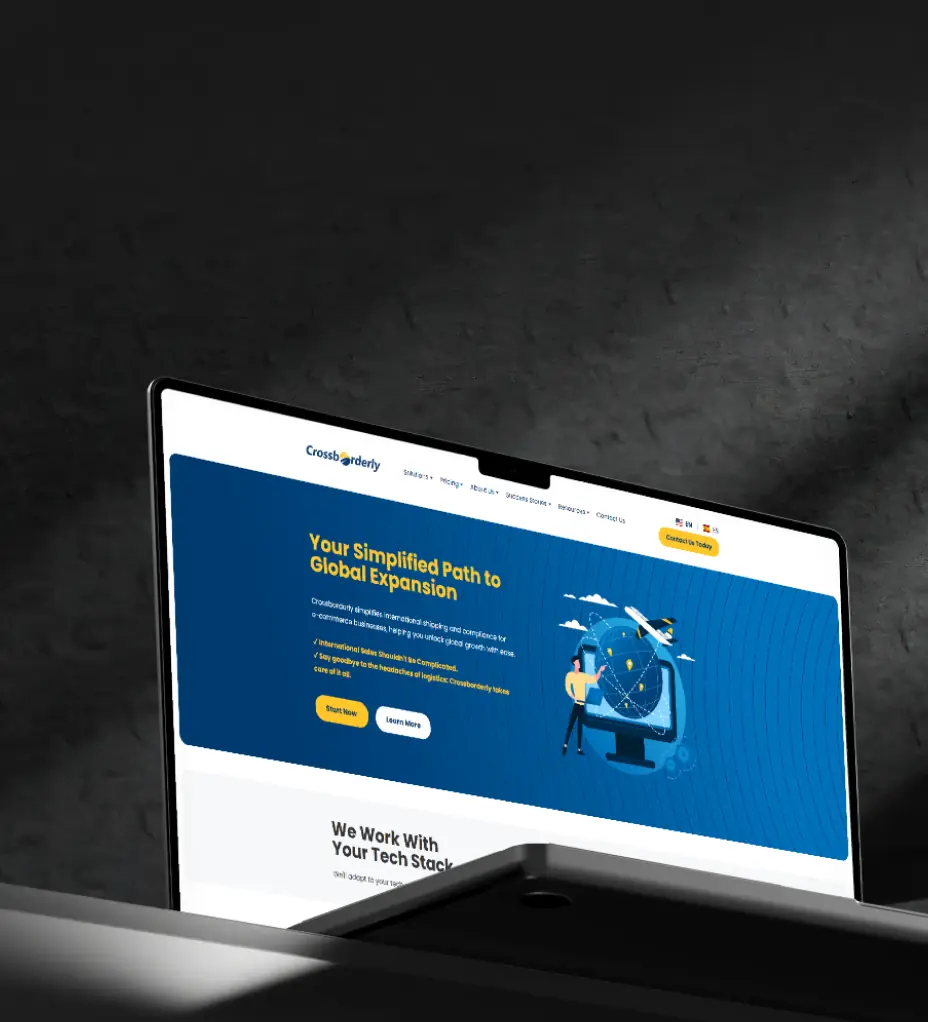
150+
countries merchants can sell to
Crossborderly
A Shopify-integrated cross-border logistics platform, built and run by Webgarh
Read the case study
Client experiences
A founder on the product we keep building with him
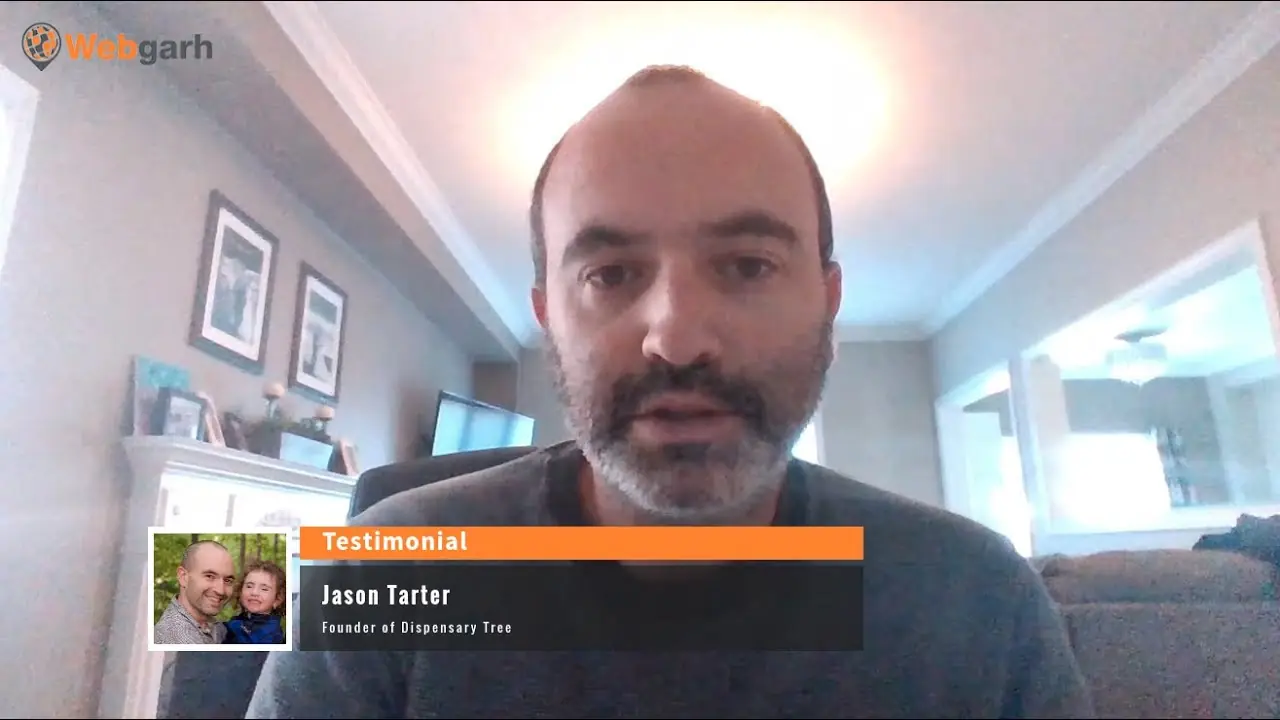
Over the years, their responsiveness, problem-solving mindset, and ability to adapt to feedback have made them a trusted long-term technology partner.
Engineering specialisms
Specialist teams and industries
Cloud and DevOps
CI/CD, monitoring, security and recovery in your own cloud accounts.
Explore cloud and DevOpsMobile apps and PWAs
iOS, Android and progressive web apps alongside your product.
Explore mobile appsLogistics software
Platforms for logistics and supply chain businesses, such as Crossborderly.
See logistics software
Frequently asked questions
How long does a SaaS build take?
It depends on scope. You get a written scope and a fixed quote before the build starts.
Who owns the code?
You do, once the work is paid for: the code and designs pass to you.
Can you add AI to a product we already have?
Yes. We did this for Quliance, adding an agent inside the existing software.
Does every SaaS product need multi-tenant architecture?
No. The right model depends on who uses the product and how customers must be separated. Some products share infrastructure with carefully enforced isolation; others need dedicated or hybrid boundaries.
Can you integrate subscriptions, payment services and third-party APIs?
Yes, when the chosen systems give suitable access. We specify who owns billing states, how integration failures are handled, how it is tested and which third-party fees recur.
Will the business have to stop while you rebuild?
No. We rebuild in parts and run old and new side by side where needed, switching one part at a time.
Our code has no documentation. Can you still work on it?
Yes. Mapping and documenting the old system is the first step, and you keep that documentation.
Do you use AI to rewrite our code?
AI tools help, and engineers review every change. Your code stays in your environment and is never used to train AI models.
Tell us what you want to build
Who it's for and the one thing it must do, or the system you need to modernize. You'll hear back within 24 hours.
