
Evidence before action
AI ecommerce analytics for decisions your team can check
Your store, ad accounts, analytics and operations tools each hold part of the story. When results change, teams spend hours collecting reports before they can answer a simple question: what changed, what might explain it, and what should we check next? We build AI-assisted analysis around your data and decisions, so your team investigates faster without handing decisions to a model.
- Every finding shows its sources
- A person approves every action
- Your data never used to train AI models

The limits of dashboards
Why more dashboards don't answer the business question
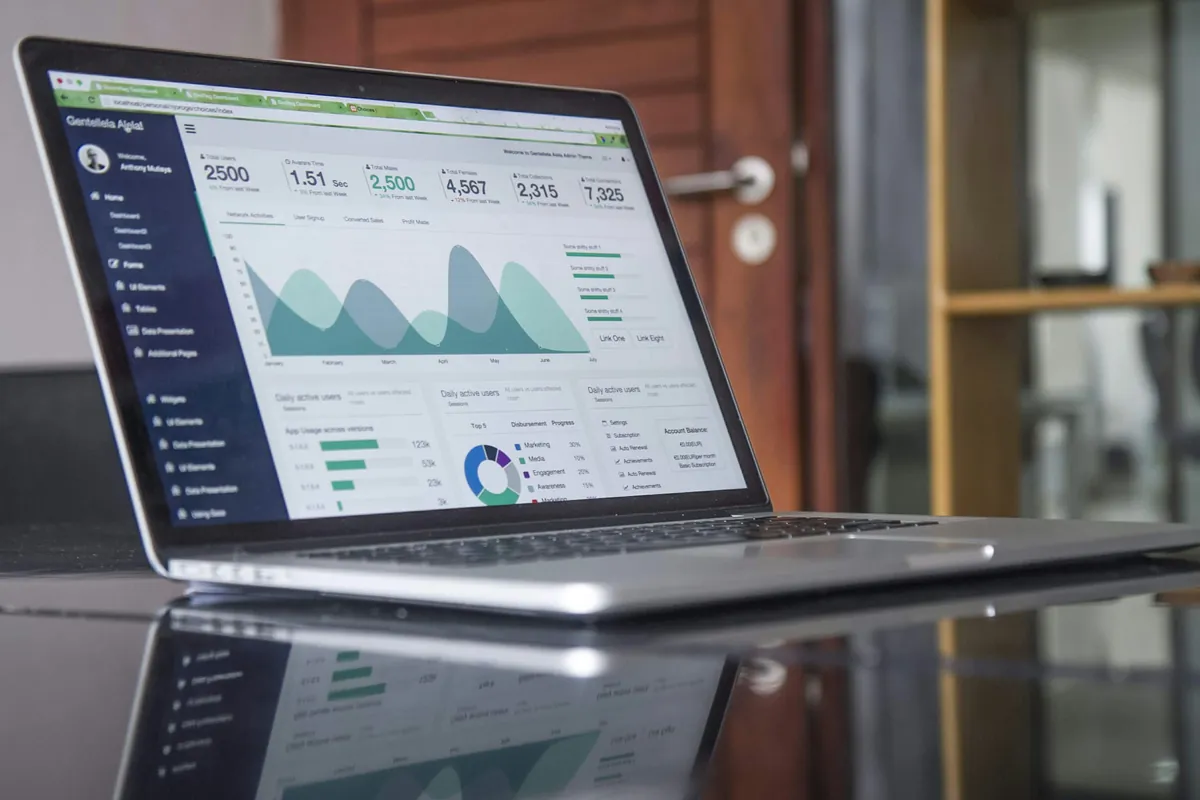
A dashboard shows that reported ROAS moved, returns rose or a product sold more. It may not show whether the change came from an attribution setting, a tracking problem, a delivery outcome, the product mix or real demand. An AI answer is only as reliable as the data, definitions and controls behind it.
Metrics differ by system
Differences in windows and definitions are kept and explained, never averaged away.
Purchase is not delivery
Cancellations, COD failures, refunds and costs change what an order meant.
Access can be incomplete
Missing identifiers, changing APIs and consent limits change what can be inferred.
Plausible is not proven
Hypotheses need source references and, where useful, a controlled test.
Start with one decision
The questions an analysis workflow should help answer
The starting point is a specific recurring decision, not a general plan to add AI.
Which campaigns brought purchases that later became refunds or undelivered orders, and how complete is the matching?
Did revenue fall because traffic, conversion rate, tracking coverage, fulfillment or average order value changed?
Which products or customer groups show rising sales but weaker retained contribution?
Which unusual changes need investigating today, and which are normal variation?
We define the permitted sources and calculation rules for each question before asking a model to interpret the result.
What it covers
Four practical areas of AI ecommerce analysis
Explain performance changes with traceable evidence
Bring commerce, ad and operations measures into one analysis workflow. AI summarizes changes and proposes likely factors, while every value stays traceable to a defined query and source. Reports separate observed facts from possible explanations.
Flag unusual changes worth investigating
Alerts for unusual movements in tracking, orders, refunds, campaign quality or delivery outcomes, where the data allows. We set thresholds, allow for seasonality and test alerts against history to limit false alarms.
Compare product, customer and campaign quality
Where source mapping is reliable, connect acquisition with order status, returns and cost definitions, so teams compare decisions with the same approved measures.
Forecasts and scenarios where the data is suitable
For stores with enough history and stable definitions, a scoped pilot can test forecasts, what-if scenarios or prioritization. Outputs show assumptions and uncertainty; accuracy is measured, not promised. See also our operations and forecasting agents.
What good output looks like
What a useful AI recommendation contains
A dependable workflow makes the answer reviewable. Take the question "Why did reported marketing performance improve while retained contribution fell?"
The question
One recurring decision, with a named owner.
Verified evidence
The metrics, sources, time windows, reconciliation coverage and any missing records.
Interpretation
Possible drivers kept separate from confirmed changes.
Suggested next step
A data check, an operations investigation or a controlled marketing test, for a person to approve.
Scope
What we engineer
Depending on your systems and a feasibility review, a project can include integration architecture, governed metric definitions, historical data checks, retrieval and query tools, model evaluation, access controls, alert workflows and a small user interface.
We document where each answer comes from, which questions the system can't answer, how it fails and how to roll it back. Not every data source or store is ready for prediction or automated action, and we say so.
Responsible AI
Responsible AI starts before the prompt
The analysis must respect which data may be collected, joined and disclosed. Identity matching and consent controls belong to the first-party data architecture; AI creates no exception. Personal records are minimized, access-limited and kept under agreed retention rules, and a business can see why a recommendation was made and who approved an action.
Define
Metric and decision vocabulary
Evaluate
Errors, uncertainty and false alarms
Approve
Human review and controlled actions
Our process
How an AI analysis pilot works
Choose one decision that matters
Its owner, the action it may change and the evidence a useful answer needs. The pilot boundary comes before the model.
Check data readiness and definitions
Permissions, coverage, IDs, update delays, KPI rules and history. If the inputs can't support the question, fix the measurement first.
Pilot and test the workflow
On real cases, scored for factual accuracy, unsupported claims, missing sources, false alarms and usefulness, with your reviewer.
Review, deploy and monitor
If the pilot meets the agreed criteria, set up monitoring, responsibilities, model change control and human approval. A good demo alone is not a go-live decision.

Frequently asked questions
How is this different from Shopify Sidekick or an AI analytics chatbot?
Built-in assistants answer many questions inside the data and actions they support. Custom work is worth it when you need approved definitions and joins across marketing, finance, courier, returns or operations sources, or an evaluated workflow. If an existing tool already meets the need, we'll say so.
Can AI tell us why our ROAS changed?
It can help an investigation by comparing data, highlighting plausible drivers and showing the evidence used. It can't reliably establish cause from a chart. Attribution settings, tracking coverage and outside conditions may need more review or an experiment.
Can this support cash-on-delivery and RTO analysis in India?
Possibly, where commerce, courier, payment, returns and ad records are available and can be matched. India-specific post-purchase measures are scoped with your operations and finance owners, and gaps or uncertain links are disclosed.
Can AI change our ad budgets automatically?
An automated action is a separate risk and build decision. It would need explicit authorization, measurable thresholds, review controls, permissions, logging and a way to reverse it. We don't offer autonomous campaign optimization.
How do you check that recommendations are dependable?
We test against real historical cases with agreed expected outcomes, check source citations and numeric consistency, and measure failure modes such as unsupported claims or false alarms. People approve sensitive decisions.
What does a pilot cost?
It depends on data readiness, source systems, evaluation needs and the risk of the actions involved. We start with a decision and data assessment, then give a defined scope. Get in touch for a quote.
Connected services
The next question may sit in another system
These services often sit next to this one in a real ecommerce decision. Start with the one that usually needs clarifying next.
First-party data and privacy
Governed first-party data.
Analysis depends on source quality, identifier rules and clear data permissions before AI enters the picture.
Explore first-party data and privacyPost-purchase and profitability
Order-outcome data.
Connect delivery, returns, refunds and contribution so AI-assisted analysis reflects the real commercial result.
Explore post-purchase and profitability
Make one business decision easier to investigate
Bring one recurring question and the systems behind it. We'll assess whether dependable data and an evaluated AI workflow could make it clearer, and where reporting or measurement repair should come first.