

PWA vs Native Apps, What Should You Choose?
Introduction
Mobile apps have become the digital storefronts of our time. Whether someone discovers a brand through an ad, a Google search, or a social recommendation, their next step is almost always the same: interact through a mobile experience. With smartphone subscriptions crossing 6 billion globally (Ericsson Mobility Report), businesses are in a high-stakes race to deliver experiences that are fast, intuitive and scalable.
This is where the debate of PWA vs Native App becomes more than a technical conversation. Many wonder whether progressive web app development will eventually replace traditional native app development, especially as PWAs get faster, more reliable and easier to distribute.
The truth is more nuanced. Each approach carries its own strengths, limitations and ideal use cases. This article breaks down the differences using real-world insights, industry data and hands-on experience from building both PWAs and native apps across diverse industries. By the end, you’ll know exactly which model can support your growth goals.
What Are Progressive Web Apps (PWAs)?
PWAs are websites engineered to behave like mobile apps. Using familiar web technologies such as HTML, CSS and JavaScript, PWAs run across devices without needing a traditional app store.
A well-built PWA feels almost like stepping into a compact, self-unfolding universe inside your browser. They install directly from the website, live quietly on the home screen and can function even when your network fades.
PWAs are known for several defining capabilities. They work smoothly across browsers and devices. They avoid app store bottlenecks, allowing instant installation and deployment. They are also equipped with offline caching layers, making content available even when connectivity is unstable.
This flexibility has driven rapid adoption, especially among businesses looking for pwa development services that deliver high performance without heavy engineering overhead.
What Are Native Apps?
Native apps are designed specifically for a platform such as iOSor Android. Developers use languages and frameworks tailored to each ecosystem, such as Swift for iOS or Kotlin for Android. Some companies also rely on apps built with React Native, particularly when they want cross-platform capabilities without compromising too much on performance.
Native apps are distributed through app stores, which means they require approvals, quality checks and compliance with store guidelines. In return, they receive optimized access to camera, sensors, GPS, notifications and other device hardware that the operating system exposes.
This direct integration is what makes native apps fast, fluid and deeply engaging. They are the preferred choice for high-performance experiences and they remain a cornerstone of react native mobile app developmentand traditional native engineering teams.
PWA vs Native App: Key Differences
To understand how progressive web app development compares with native app development, here’s a clear side-by-side look at the essentials:
Pros and Cons of Native Apps
Native apps remain the gold standard for immersive, high-performance digital experiences.
Pros
Native apps unlock the full power of a device. Everything from rendering graphics to collecting sensor data runs at maximum efficiency. This translates into smoother animations, faster operations and more reliable performance under high usage.
Native design guidelines also ensure that the experience feels intuitive on each platform. Features like push notifications and geofencing strengthen long-term engagement. App store presence further enhances brand trust, acting almost like a certification of quality.
Cons
Native apps demand significant investment. Each platform requires its own development team, testing process and maintenance cycles. Updates must pass through app store reviews, slowing down iteration.
Discovery depends on ASOand paid marketing, which can be a challenge for new brands. And because updates are platform-specific, managing multiple codebases often becomes resource-intensive.
Use Cases for PWAs
PWAs thrive in environments where speed, scalability and accessibility matter more than deep hardware integration.
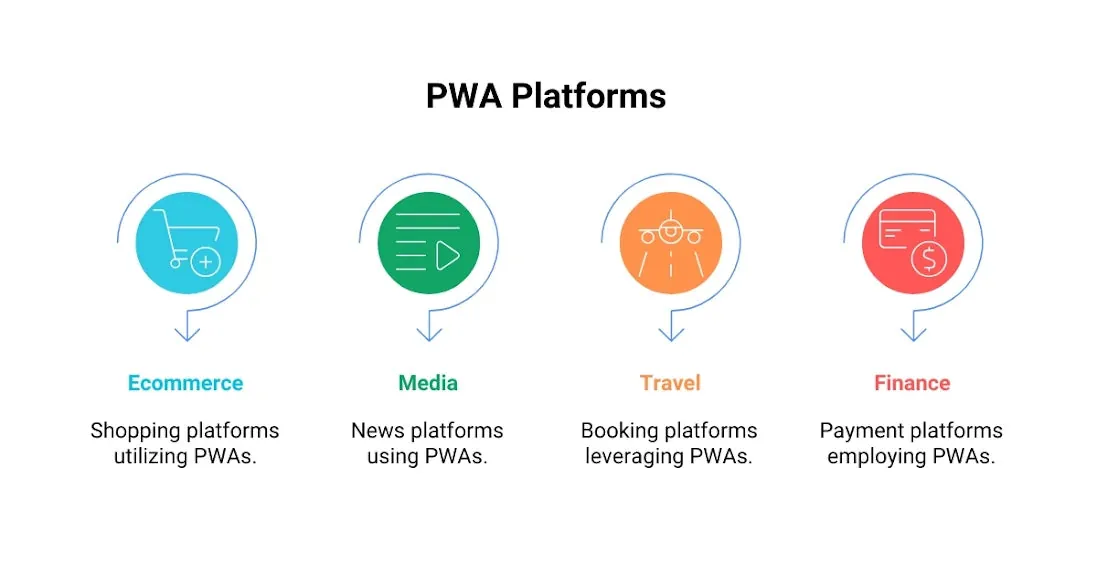
E-commerce brands like Flipkart and Pinterest have already embraced PWAs to deliver fast, responsive experiences regardless of device type. Media platforms such as Forbes and Medium use PWAs to serve content quickly, even under poor network conditions.
Travel platforms including Trivago boost conversions by giving users a lightweight booking interface. Financial platforms such as PayPal rely on PWAs to deliver quick, secure access to account information without forcing downloads.
Use Cases for Native Apps
Native apps dominate categories that rely on powerful performance or persistent engagement.
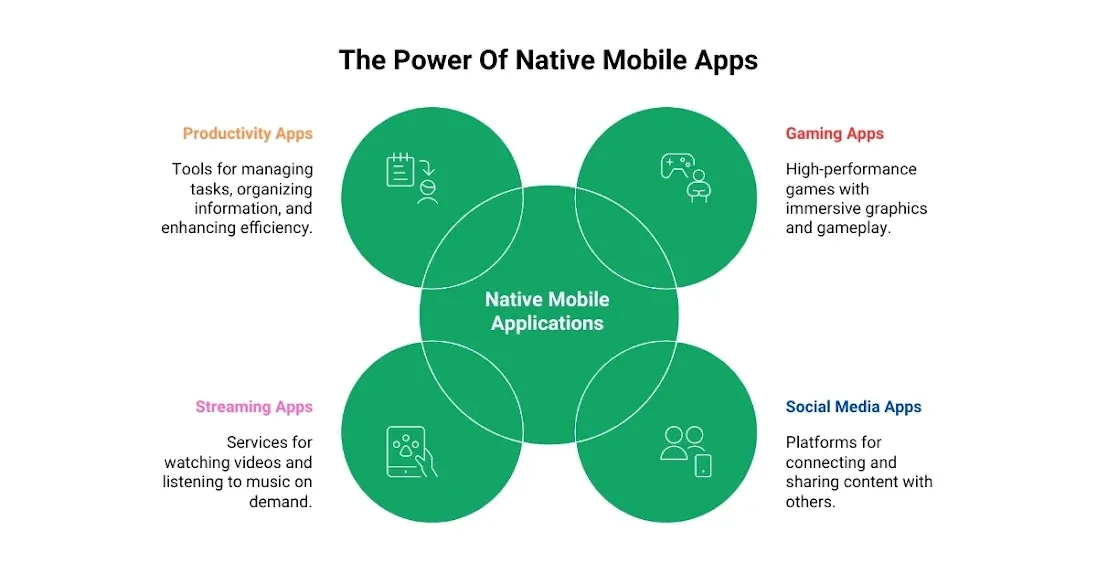
Gaming apps such as Candy Crush rely on native-level graphics and processing capabilities. Social platforms like Instagram and TikTok depend on real-time camera access, rendering and media processing.
Streaming giants such as Netflix and Spotify require optimized buffering that PWAs cannot consistently match. Productivity tools like Duolingo or Microsoft Office integrate deeply with the operating system and often rely on offline storage for continuity.
PWA vs Native App: Which Is Best for Your Business?
Both options have their own sweet spots. A PWA is ideal when you're running lean and aiming for broad reach without the complexity of maintaining multiple apps. Businesses building their first digital product often rely on PWAs to validate ideas quickly.
A native app becomes the better choice when engagement, performance, or advanced features are critical. If your users expect real-time interactions, rich visuals, or hardware integration, native development is the long-term investment that yields stronger retention.
Brands often work with react native mobile app developmentwhen they want near-native performance with a shared codebase. Meanwhile, businesses focused on speed and reach choose pwa development services to unlock value without heavy overhead.
Header
Criteria
Native App
PWA
Row
Development Cost
High (separate iOS & Android builds)
Low (single codebase for all platforms)
Row
Time to Market
Longer due to store approvals
Faster, deploy instantly via URLs
Row
Performance
Excellent; optimized for hardware
Good; not ideal for heavy tasks
Row
Platform Reach
Limited to chosen OS
Universal reach across all browsers
Row
User Engagement
Highly engaging, strong retention
Moderate; limited engagement tools
Row
Discoverability
Via app stores (ASO required)
SEO-friendly and indexable
Row
Security
Strong; store-verified apps
Secure with HTTPS but fewer native protections
Key Decision Factors
Your choice between a PWA and a native app should be guided by four core considerations.
Cost and timelines often push businesses toward PWAs, especially if they're experimenting or planning rapid iterations. If your experience must feel smooth, tactile and optimized for specific devices, a native app is the better path.
Think carefully about where your audience spends their time and what devices they prefer. Finally, consider the level of security required. PWAs are secure when implemented correctly, but native apps offer more layers of protection for sensitive applications such as banking or healthcare.
Case Studies of Successful PWAs and Native Apps
Real-world results illustrate the impact of choosing the right technology.
PWAs like Twitter Lite drove a 75 percent increase in engagement while cutting data usage drastically. Flipkart's PWA boosted conversions by nearly 70 percent. Starbucks reported double the daily active users after launching its PWA.
Native app success stories are equally compelling. Instagram continues to dominate with billions of active users. Uber’s native infrastructure powers an annual revenue above 30 billion dollars.
Spotify's deeply integrated streaming engine supports more than 205 million premium subscribers worldwide. Each outcome reflects a strategic technology choice guided by business goals, user expectations and performance needs.
Conclusion: Which Is the Right Choice for You?
Both PWAs and native apps bring meaningful strengths to the table. PWAs offer reach, speed and affordability, making them ideal for fast-moving businesses. Native apps deliver performance, engagement and trust, which are critical for brands demanding the highest quality experience.
There is no universal winner in the PWA vs native app debate. The right choice comes from aligning your business goals, audience needs and available resources with the technology that best supports them.
If you're exploring omnichannel opportunities or weighing investment options, speaking with specialists in both progressive web app development and native engineering can help chart a clear path. A strategic consultation can be the first step in building an experience that grows with your brand.
Ready to Build an App That Drives Growth?
Get expert guidance on choosing between a PWA or native app, based on your budget, timeline and business goals.
Book a Free App Strategy Consultation
FAQs
Can PWAs replace native apps?
PWAs can replace native apps in certain scenarios, especially for content-heavy, commerce-driven or broad-reach experiences. However, native apps remain unmatched for advanced features and high-performance use cases.
What are the main differences between a PWA and a native app?
PWAs run in browsers and offer cross-platform reach with lower development costs. Native apps require platform-specific builds but deliver superior performance and deeper device integration.
Which one is better for SEO?
PWAs are inherently SEO-friendly because search engines can index them. Native apps rely on ASO and external marketing for visibility. Want Webgarh to help you pick the right Shopify theme? If you’re serious about building a high-performing store, we can evaluate Shopify themes against your product catalog, brand goals and growth roadmap and recommend the safest foundation for your store. Let’s find the right Shopify theme