
AI for your store
Show each shopper the products they're most likely to buy
Most stores show every visitor the same page, so we use your store data to show the right products to the right shopper.
- Shopify Select Partner
- 80+ engineers since 2010
- 4.9 from 28 Shopify Partner Directory reviews

Why personalization matters beyond user experience
Personalization directly affects how customers discover products, engage with your store, and move toward purchase.
Generic shopping experiences
Uniform storefronts fail to reflect individual preferences, reducing engagement.
Low product discovery efficiency
Customers struggle to find relevant products quickly, especially in large catalogs.
Missed cross-sell & upsell opportunities
Without intelligent recommendations, potential additional purchases are often lost.
Underutilized customer data
Behavioral and transactional data is not used effectively to improve the experience.
Inefficient marketing alignment
On-site experience does not align with campaigns, segments, or customer intent.
Limited conversion optimization
Static journeys restrict opportunities to guide users toward higher-value actions.
Native, app or custom
Native first
Shopify Search & Discovery gives related and complementary recommendations, and Shopify customer segments group buyers by orders, spend and last purchase date. Many stores never use either fully.
App when needed
For quiz-led or behavior-led recommendations at scale.
Custom when it earns its place
AI models trained on your own data, when your catalog, traffic or rules outgrow apps.
What personalization includes
Dynamic product recommendations
Related, complementary and "often bought together" products on product pages, cart and search, starting with Shopify's native recommendations.
Behavior-based personalization
Content and products that change based on what a shopper has viewed, searched or added to cart in this visit and earlier ones.
Real-time content adaptation
Banners, collections and offers that change by segment, market or traffic source, without a separate theme for each.
Customer segmentation and targeting
We group customers by RFM: how recently they bought, how often and how much they spend. Each group gets its own offers on site and in email, and segments sync to Klaviyo and other email tools.
Predictive merchandising
Sales and browsing data used to predict what each segment will want next, pushing those products up on collections and search.
Personalized search
Search results and filters that reflect each shopper's history. AI search & discovery
Personalization only works when the data behind it is right, so we check events first with a Tracking Audit & Fix.
How store personalization works
Our personalization framework
A structured approach ensures personalization is aligned with business goals, not just implemented as isolated features.
Customer data & behavior analysis
We analyze how users interact with your store and identify personalization opportunities. User behavior and journey analysis; product interaction and purchase patterns; customer segmentation review; data availability and quality assessment; personalization gap identification.
Personalization strategy & use-case design
We define where and how personalization should be applied to improve engagement and conversion. Recommendation use-case design (PDP, cart, homepage, etc.); customer segmentation and targeting strategy; personalization logic and rules; alignment with marketing campaigns and goals; risk and dependency mapping.
AI integration & system implementation
We implement AI-powered systems across your Shopify store and connected platforms. Recommendation engine integration; personalization tools and platform setup; shopify storefront integration (themes, apps, APIs); data pipelines and event tracking; custom logic for advanced use cases.
Testing, validation & experience optimization
We ensure personalization works as expected across different user scenarios. A/B testing and performance validation; recommendation accuracy checks; UX and experience testing; scenario-based validation; continuous refinement based on results.
Monitoring, learning & continuous improvement
We refine personalization systems based on real-world data and evolving behavior. Performance tracking (engagement, conversion signals); model and recommendation tuning; segment and rule optimization; expansion into advanced use cases; ongoing StoreOps and AI support.
Common personalization gaps
Many stores invest in traffic and acquisition but overlook how the on-site experience adapts to users.
Personalization in production
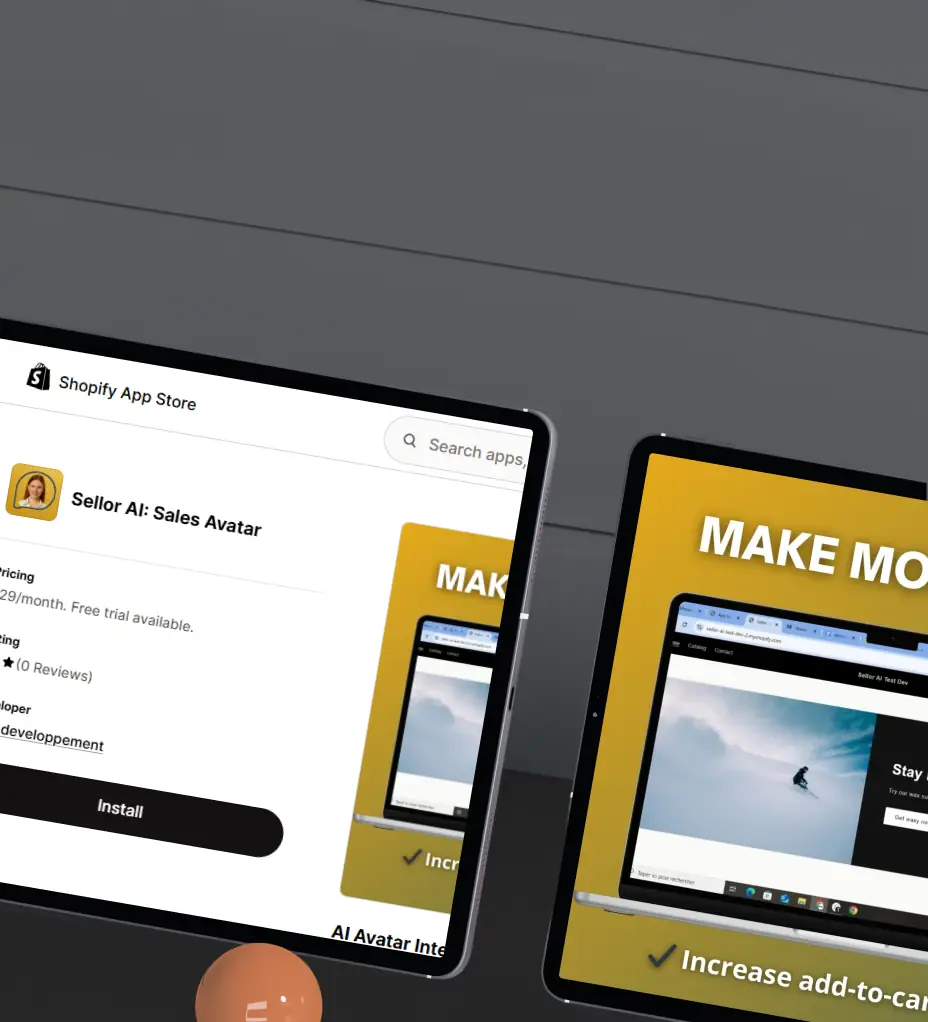
AI
sales avatar for Shopify
Sellor AI
A public Shopify app for AI product guidance
Read the case study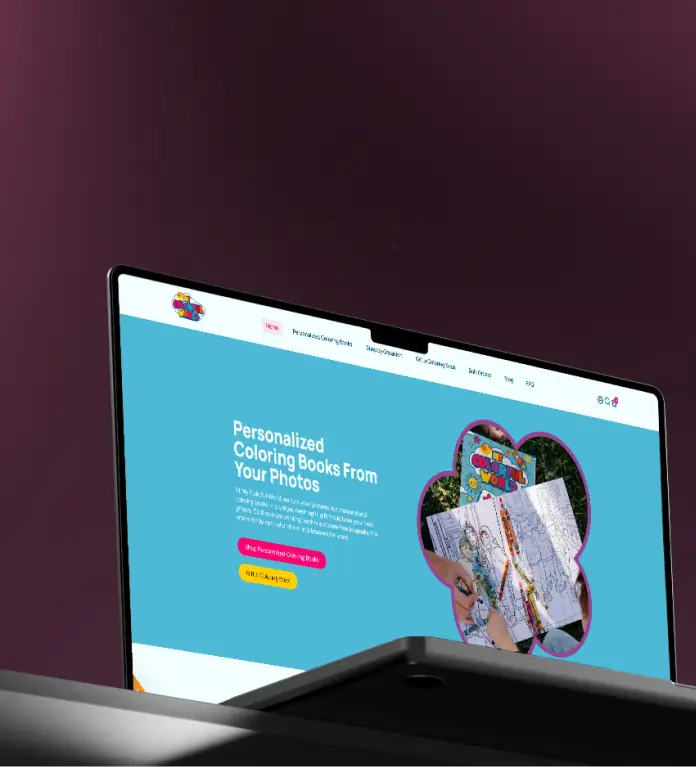
AI
personalized books, printed on demand
My Colorful World Art
AI personalization routed to Lulu print-on-demand
Read the case study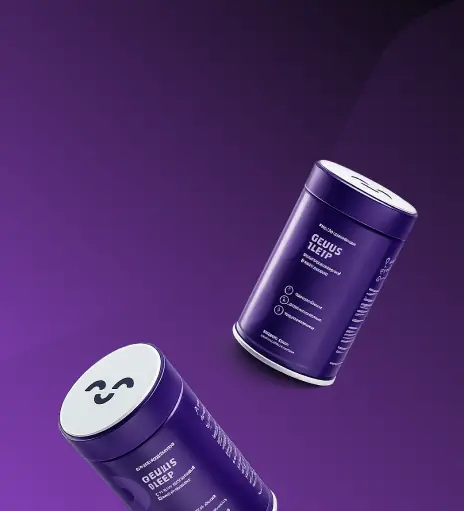
B2B
wholesale channel on Shopify Plus
Simply Nootropics
Shopify Plus B2B with account-based ordering
Read the case study
Frequently asked questions
Do I need a lot of data?
No. Native recommendations and segments work from day one. Custom AI models need more history to beat them.
Does personalization slow the store?
It can if added with heavy apps. We prefer native features and lightweight code, and test speed before and after.
Can you keep improving it after launch?
Yes, through StoreOps, our monthly retainer.
More store growth services
AI search visibility
Help ChatGPT, Perplexity, Gemini and Google AI Overviews read your products correctly: clean product data, structured data, feeds and crawlability.
See how we do itPricing & upsells
Smarter Shopify discounts, bundles and upsells.
See how we do itTracking services
Shopify conversion tracking at fixed prices in USD: Tracking Audit & Fix, migrations, Stape, UTMs, dashboards and retainers.
Fix your trackingAll store growth services
Grow your Shopify store on data you can trust: tracking and analytics first, then conversion, on-site search, speed, SEO and AI, one test at a time.
See growth services
Build personalized Shopify experiences that adapt to every customer
Tell us about your catalog and your customers. You'll hear back within 24 hours.
Request a personalization review